

Online table games have developed from simple digital distractions into experiences that match the feel of a real casino floor. Walk into any modern lobby and you’ll find immersive studios, Slotosport, live dealers, and rule variations customized to every playing style. Getting a grasp on this ecosystem helps you make smarter decisions at the tables, whether you’re a cautious newcomer or a seasoned strategist.
Poker Variants Beyond the Live Room
Table game poker is fundamentally different from the competitive poker room where you compete with other players. Here, you go against the house according to a fixed paytable, much like a slot that permits strategic input. This category offers Casino Hold’em, Three Card Poker, and Caribbean Stud. The goal moves from outplaying opponents to creating a qualifying hand that generates a payout, with an optional progressive jackpot side bet often dangling the possibility of life-changing sums for a royal flush.
Caribbean Stud and the Dealer Qualifier
Caribbean Stud’s dynamic focuses on the dealer qualification threshold. You put an ante, look at your hand, then decide whether to give up and lose the ante or raise by doubling your wager. The tension comes from the fact that even a strong player hand can tie if the dealer fails to reveal Ace-King or better. This qualifier mechanic compels you to play a more conservative range than instinct suggests, usually raising only with pairs or strong Ace-King combos.
Three Card Poker’s Dual-Bet Structure
Three Card Poker has a divided structure with the Pair Plus and Ante-Play wagers. The Pair Plus bet disregards the dealer, rewarding based entirely on your own three cards. It carries a higher house edge but gives the appeal of direct payouts for premium hands. The Ante-Play wager matches you against the dealer, who must meet the threshold with Queen high or better. The strategic sweet spot is betting on any hand of Queen-6-4 or higher, a simple threshold that lowers the mathematical disadvantage.
Digital systems and Trust: RNG systems, Human Dealers, and Safe Gaming
The gap between live dealer games and RNG-based tables illustrates two different methods to play. RNG-based tables offer maximum speed and control, letting you play hands in seconds without waiting for others. This mode is perfect for practicing basic strategy or for players who enjoy a individual, continuous session focused on numerical efficiency and fast-paced play.
Real dealer studios bridge the trust gap that some players experience with purely digital outcomes. Seeing a human dealer pull cards or rotate an actual wheel gives a degree of transparency that computer programs can’t match. Professionally lit studios with various camera perspectives reduce the speed to a organic pace, fostering careful betting and limiting hasty, rapid-fire losses. The chat feature makes the experience more human, enabling you to compliment the game host or request rule explanations in live time.
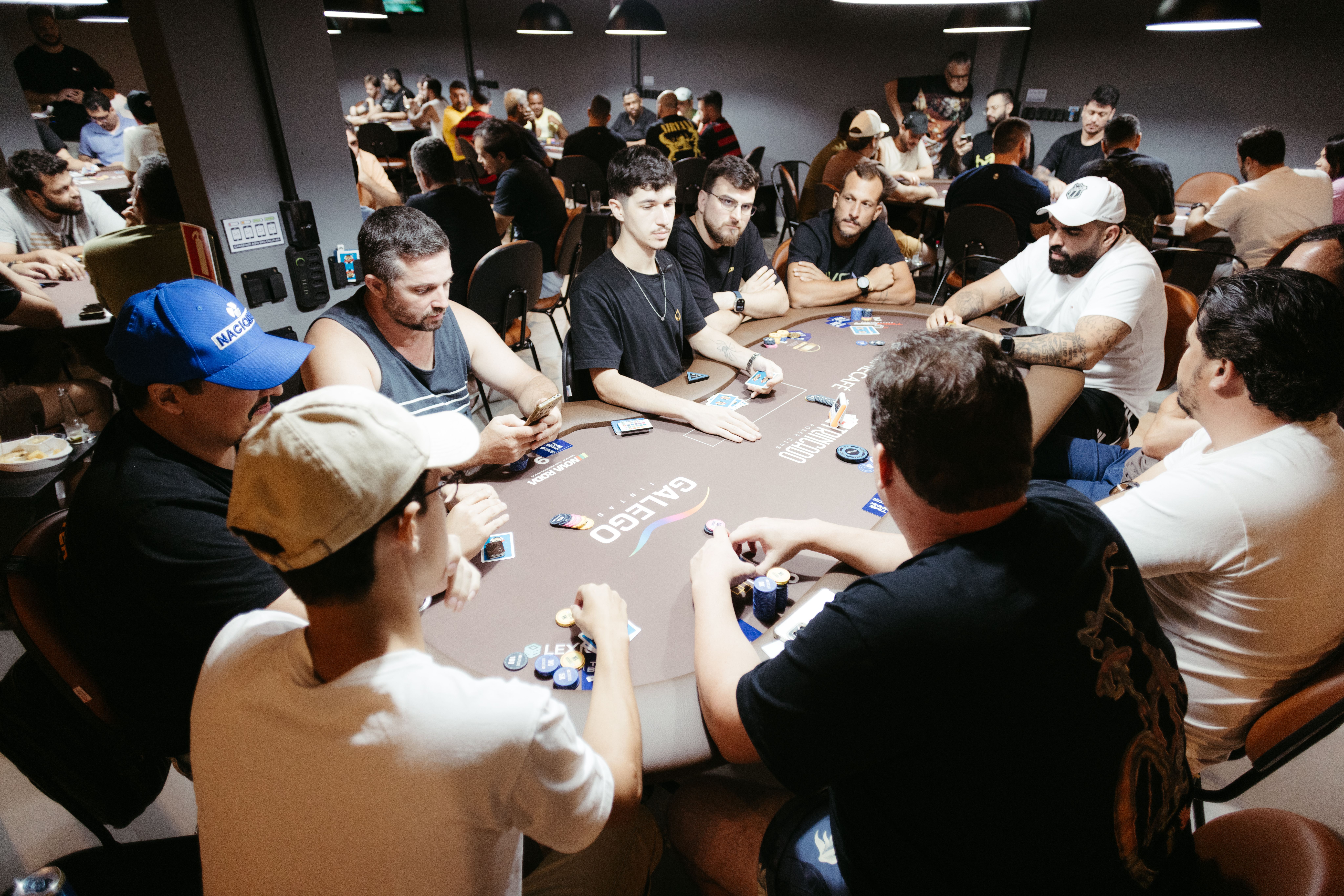
Trust in digital table games rests on regulatory oversight and provable fairness mechanisms. Seek out authorization from reputable jurisdictions that require player fund isolation and periodic checks of payback percentages. RNG systems need to be certified by independent labs, confirming that digital cards are numerically equivalent from a randomized deck. Real games add in-person oversight and secure streaming, establishing a confidence framework that merges digital encryption with pit boss oversight.
Responsible gaming tools are a component of the security ecosystem. Deposit limits, time limit notifications, and self-exclusion options should be easy to find. Reality check notifications that interrupt play to report time spent and money bet are a mark of a responsible operator. The capability to define loss maximums on certain table games enables you to enjoy the tactical aspects without the risk of pursuing losses into problematic territory.
The Enduring Appeal of Digital Table Gaming
Table games keep luring us back because they combine chance with control. Unlike slots, where luck alone decides everything, a well-timed decision in blackjack can change the outcome. That strategic layer turns passive entertainment into an active mental workout. Getting the statistically correct play right just feels rewarding, and that engagement loop keeps dedicated players coming back year after year.
Beyond strategy, these games carry a cultural weight that instant-win titles simply don’t have. We’re talking about pastimes refined over centuries in European salons and Monte Carlo halls. Sitting at a virtual baccarat table connects you to traditions that go back to Italian nobility. Modern platforms keep that heritage alive while removing the intimidation that physical casinos can sometimes project.
The social side has been adapted brilliantly into the digital space. Live dealer interfaces let you chat with croupiers and sometimes other players, recreating the buzz of a busy pit. That blend of convenience and camaraderie solves the isolation problem that online play can bring. You can hear the collective groan when a roulette number misses, all without leaving home, striking a perfect balance of comfort and connection.
Baccarat: Unraveling the VIP Experience
Baccarat sheds its forbidding reputation once you understand its mechanical simplicity. The game involves no difficult decisions: you just choose Player, Banker, or the rare Tie. Drawing rules are automatic, so it’s one of the fastest and most user-friendly table games for newcomers. The low house edge on the Banker bet, around 1.06% after commission, makes it one of the most statistically advantageous wagers in the entire casino.
The ritualistic elements translate beautifully into the live dealer format. The peeking of cards and the slow reveal generate a tension that’s distinctive to this game. Baccarat is often advised for players who find blackjack mentally taxing but still want a low house edge. The 5% commission on winning Banker bets gets calculated automatically by the software, so no mental arithmetic is required, and the flow stays smooth, handling dozens of hands per hour.
The Tie bet deserves a mention: it tempts with an attractive 8:1 or 9:1 payout. Despite that alluring return, the probability of a tie is low enough to push the house edge into double digits. The Tie is a sucker bet, and anyone concentrated on conservation should shun it entirely. The self-control to ignore that central spot and stick to Banker or Player often distinguishes casual dabblers from serious participants.
Understanding the Core Variants of Blackjack
Blackjack is remains the leader of strategic table gaming, but not all versions are built equal. The classic variant, often known as standard or Vegas Strip, uses six to eight decks and pays 3:2 on a natural. That baseline minimizes the house edge when you pair it with basic strategy. But the digital space has spawned plenty of mutations that adjust payouts and side-bet opportunities, so a careful rule check matters before you put chips.
The Growth of Side-Bet Mechanics
Side bets have exploded, meant to bring extra volatility into the game. Perfect Pairs and 21+3 are two of the most common. These wagers function independently from your main hand, betting on specific card combos. The potential payouts can reach impressive multiples, but these bets carry a much higher house edge. View them as a rare spice, not the main course.
Strategic Changes for Rule Variations
Subtle rule changes can reverse the correct strategic approach on its head. Always confirm if the dealer stands or hits on soft seventeen, because hitting increases the house edge and forces you to adapt when you double down. Restrictions on doubling after a split or the availability of late surrender change the table’s mathematical viability. European variants offer only one dealer card up front, removing the hole-card peek and changing how you approach splitting eights against a ten. Adaptability is the mark of a proficient player.
Multi-hand blackjack offers you a different feel by letting you play up to five hands against the same dealer upcard. It speeds up the pace and smooths out variance through volume, but it needs flawless basic strategy across quick decisions. This mode is helpful if you want to condense a long session into a shorter timeframe, as long as you handle each hand as its own independent math problem.
Smooth Banking and Cross-Device Optimization
Shifting funds effectively underpins the whole table game experience. Modern platforms support a range from bank cards to e-wallets and cryptocurrencies. Consider withdrawal processing times, not just instant deposits. The best operators complete e-wallet payouts within 24 hours, while bank transfers may take several days. Also review table limits against payment structures, so that both micro-depositors and high-rollers have matched liquidity without excessive verification hurdles.
Currency flexibility counts too. Platforms that enable you hold balances in your native currency help you sidestep dynamic conversion fees that silently diminish your bankroll. Cryptocurrency support provides near-instant settlement and better privacy. Whatever method you use, confirm financial data is encrypted and segregated from gaming servers. A well-designed ecosystem ensures the cashier and game lobby feel like one cohesive unit.
Mobile optimization demands a smooth transition between desktop and handheld devices. The best implementations adjust the layout for touchscreen chip selection and incorporate swipe gestures. Good designs expand common betting spots for thumb reach and position the deal button away from fold or clear buttons to prevent misclicks. Live dealer streaming quality now employs adaptive bitrate technology, tuning video fidelity to match connection strength without buffering.
Battery and data consumption matter too. RNG table games are lightweight, ideal for long sessions on limited data plans, while HD live streams consume more resources. The ability to adjust video quality manually gives you control. A dedicated mobile app often delivers a more stable experience than a browser-based solution, though progressive web apps are closing the gap with offline caching and push notifications.
Picking the Correct Table for Your Personal Style
Matching your personal goals to the suitable table setting is the final skill to acquire. If you desire a relaxed evening, go toward low-minimum outside-bet roulette or baccarat tables where the house edge is small and variance is gentle. A thrill-seeker chasing multipliers might prefer high-risk side bets or the inside area of the roulette design. Be honest about your goals, because the optimal strategy for bankroll management is incompatible with maximizing a jackpot opportunity.
Social and atmospheric preferences matter too. A individual strategist working blackjack hands will likely opt for the pace and silence of an RNG table. Someone who appreciates the theater of the game will experience more fulfillment in a live dealer studio with an engaging croupier. Modern lobbies enable you select by dealer type, bet limits, and game speed until you find the specific arrangement that suits your existing mood and bankroll.
The final factor is pace of play and its impact on decision-making. Live tables run at a human rate, providing you time to consult a strategy chart or just pause between hands. RNG tables can process decisions in seconds, which is efficient but perhaps risky for uncontrolled players. Set a strict hand-per-session limit, regarding the game as a finite entertainment product rather than an open-ended struggle. The table is a instrument for pleasure, and selecting the correct one guarantees it serves you rather than the other way around.
Roulette Variants and the Mathematics Behind the Wheel
The rotating wheel looks simple, but design differences between geographic variants generate vastly different odds. We differentiate between European-style, American, and French roulette, and the key difference is the green pockets. A single-zero wheel has thirty-seven pockets; the double-zero American layout has thirty-eight. That one further pocket nearly increases twofold the house edge on most bets. Picking the right wheel is the single most critical determination a roulette player makes before placing a chip.
Inside and Outside Betting Dynamics
Bets fall into two groups based on placement and risk. Inside bets focus on specific numbers or small clusters, with high payouts but low hit frequencies. A straight-up wager on a single number pays 35:1, reflecting the long odds. Outside bets cover broad categories like red/black, odd/even, and the various dozen and column groupings. These pay even money or 2:1, giving a steadier pace of small wins that can extend a session without dramatic swings.
French Roulette Advantages
Savvy players look for French roulette tables for two player-friendly rules that standard European games lack. La Partage returns half your even-money bet when the ball lands on zero, lowering the house edge to 1.35%. En Prison retains the bet for another spin instead of giving an immediate half return. These rules are vital for anyone grinding long sessions on outside bets, because they significantly reduce the long-term cost of the green zero.
FAQ
What’s the single best table game for a newcomer to begin with?
Baccarat is the best starting point for beginners. It needs zero strategic decisions beyond selecting a betting spot. The rules are automatic, and the Banker bet carries one of the lowest house edges in the casino. You just make a wager and see the outcome unfold, without the pressure of drawing, standing, or doubling incorrectly. It’s the purest introduction to table game rhythm.
How can I tell if a live dealer game is truly fair?
Fairness in live dealer games is secured through multiple layers. Studios are authorized and audited by the same bodies that oversee physical casinos. You see the dealer shuffle and deal in real time, and streams are encrypted to prevent tampering. Independent testing agencies regularly audit equipment to verify statistical randomness, providing transparency that algorithms alone can’t match.

Why is the house edge vary so much between roulette wheels?
It all comes down to the number of green zero pockets. A European single-zero wheel has a house edge of 2.7%. An American double-zero wheel nearly increases that to 5.26%. French roulette with the La Partage rule cuts the edge on even-money bets to 1.35%, so wheel selection is crucial for long-term value.
Is it possible to use card counting strategies in online blackjack?
Counting cards is effectively impossible in regular online blackjack. RNG tables randomize the virtual deck after every hand, returning the count to zero. Live dealer games use continuous shuffling machines or shallow penetration, so you get no meaningful advantage. Focus on mastering basic strategy in place of chasing unworkable counting techniques in the digital environment.
What should I check before accepting a table game bonus?
Always scrutinize wagering requirements and game contribution percentages. Table games often represent far less toward releasing a bonus than slots, at times as low as 5% or 10%. A blackjack player may need to wager twenty times more than a slots player to unlock the same bonus funds, so many promotions are not worthwhile for table game specialists.
Do the payouts on mobile table games the same as on desktop?
Absolutely, payout structures and Return to Player percentages are identical across devices. The game logic runs on the same central servers regardless of if you happen to be on a mobile browser or a desktop app. The only difference is the touch-optimized interface. Your odds of claiming a blackjack hand don’t change when you switch devices.
By what method do progressive jackpots operate in table games?
Progressive jackpots are tied across networks and increase with every qualifying side bet placed. In games like Caribbean Stud, a small portion of each optional side wager feeds a communal prize pool. The jackpot usually triggers when a player achieves an ultra-rare hand like a royal flush, and the prize can attain substantial sums before being won.
The world of online table games rewards those who take the time to understand the machinery beneath the surface. We’ve explored the mathematical nuances of roulette, the strategic thresholds of poker variants, and the infrastructure that maintains the action fair and fluid. The real advantage does not arise from chasing systems; it comes from selecting the right variant, managing your bankroll with discipline, and treating the experience as a strategic pastime. Take this knowledge into the lobby, filter tables by your newly informed criteria, and settle into a game that honors both your intelligence and your entertainment budget.
About the Author
